 Connector Subsea Solutions


01 // The first-of-its-kind diver-friendly CSS MORGRIP® Conductor Repair Clamp
IN THE GUIDE FUNNEL OF A NORTH SEA CONDUCTOR, EVERY MILLIMETRE COUNTS—AND SO DOES DIVER SAFETY.
AFTER THE AFFECTED PRODUCTION WELL WAS SHUT DOWN, CONNECTOR SUBSEA SOLUTIONS (CSS) TEAM WAS TASKED WITH RESOLVING A CRITICAL INTEGRITY FAILURE: A FULLY SEVERED CONDUCTOR WITHIN A CONFINED GUIDE.
Project Background & Goals
The affected conductor, operating in the UK sector of the North
Sea, featured a vertical guide at a subsea elevation of -17.5 m.
Examination showed that loss of the centraliser subjected the
conductor weld to excessive fatigue, leading to an outer-casing
fracture within the guide and forcing a shutdown of the production
well. The client required a diver-installed solution that would structurally
repair the conductor to full load-bearing capacity, be fully pressure
containing and centralise the pipe to prevent excess motion and
fatigue loading from re-occurring.
Project Goals & Deliverables
- Structural Reinforcement:
Engineered to restore the conductor’s full load-bearing capacity,
handling both axial forces and repeated wave-induced stresses. - Leak Retention:
A robust seal system to effectively prevent seawater ingress
under subsea pressure fluctuations. - Conductor Centralisation:
An integrated centraliser keeps the pipe precisely centred in its guide,
eliminating lateral movement and reducing seal fatigue over time. - Diver Safety:
Eliminate the need for bolting operations inside the confined guide.
Technical Challenges & Requirements
- Restricted access:
The guide’s internal diameter allowed tight access for the clamp halves. - Diver entrapment hazard:
Working inside the guide posed a serious safety risk under North Sea currents. - Fatigue considerations:
The repair needed to reinstate the centralisation and allow the conductor to withstand millions of load cycles with limited degradation.

02 // Fractured conductor in vertical guide

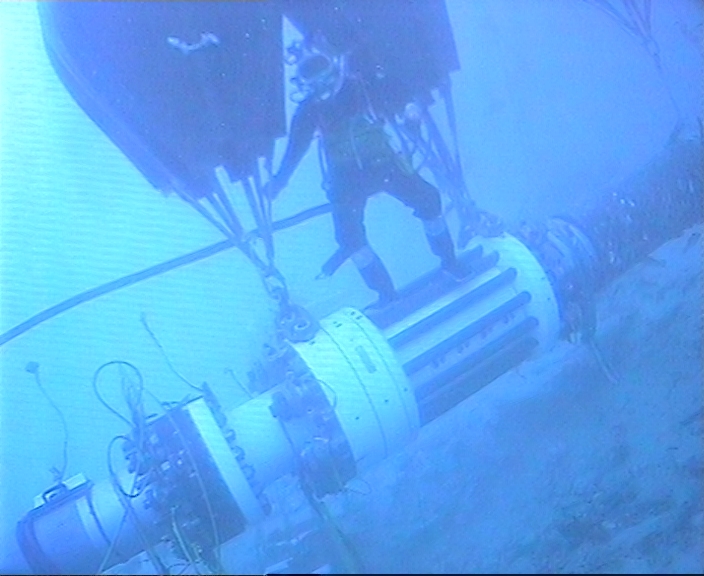
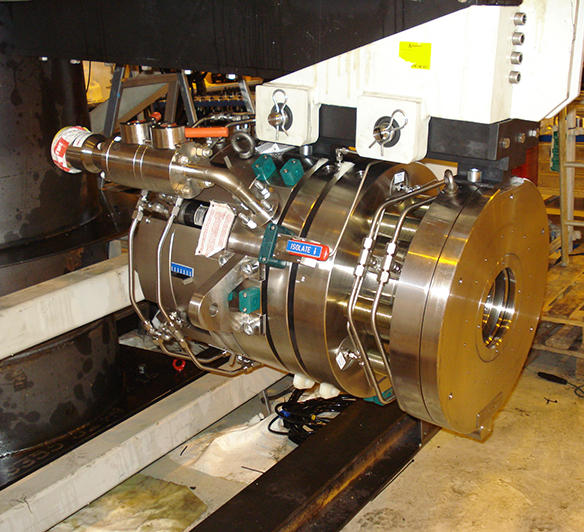
03 // CSS MORGRIP® Conductor Repair Clamp during installation

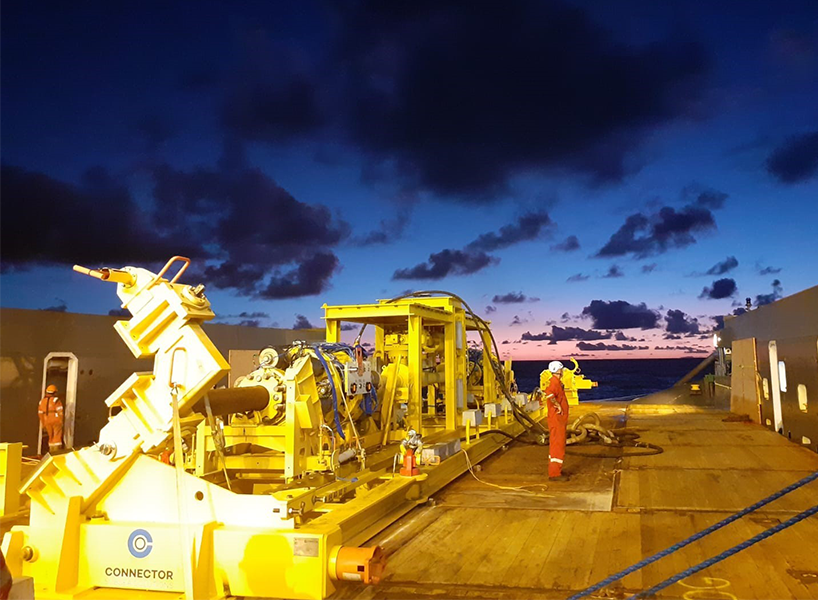
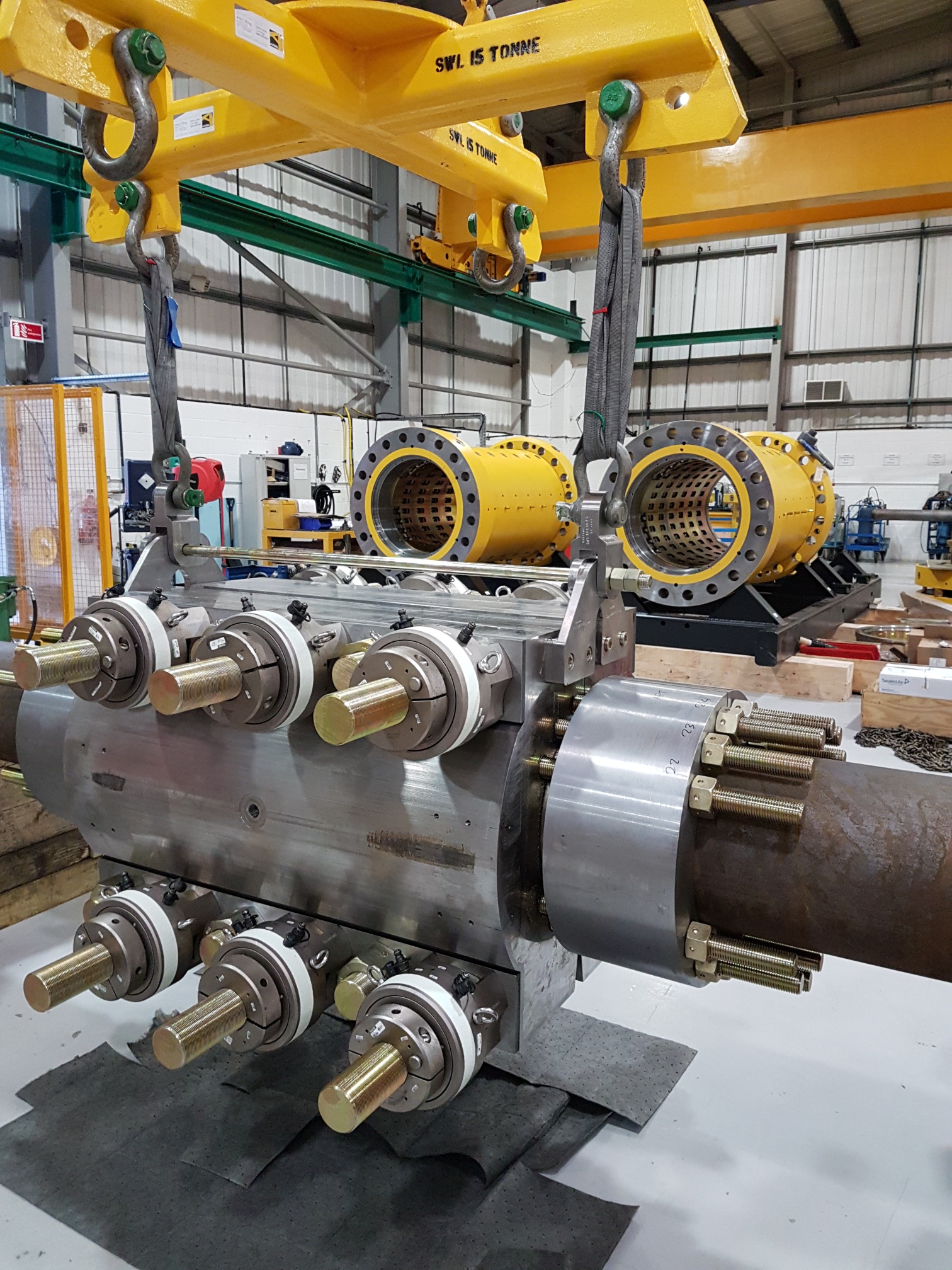
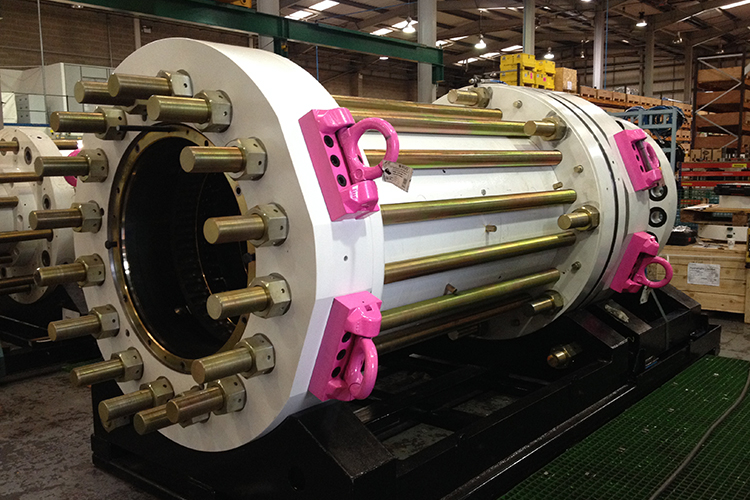
04 // CSS MORGRIP® Conductor Repair Clamp onshore SIT

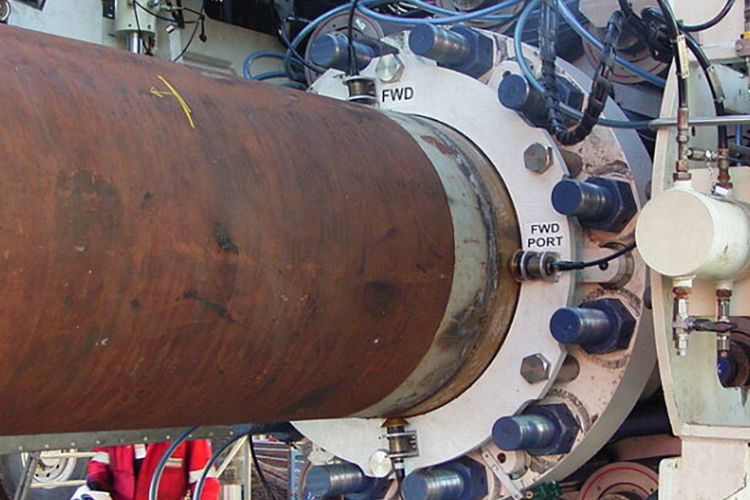
05 // CSS MORGRIP® Conductor Repair Clamp hydrostatic test

06 // CSS MORGRIP® Conductor Repair Clamp post repair ROV survey
07 // Comments by the client’s project manager
Key Design Features
- Patented Wedge-Activation Method:
Simplifies diver activity, reduces installation time and eliminates the need for bolting in confined spaces—forming the foundation of CSS’s proven subsea clamp solutions. - Rapid Activation:
Thorough FAT and SIT meant the offshore work was completed in under 12 hours of diver time, inclusive of pressure test. - Fatigue-Resistant Design:
Proven for cyclic loads, extending asset life without welding or hot-work. - Integrated Centralisers:
Limits lateral pipe movement under hydrodynamic forces to reduce stresses in the conductor.
Project Outcome
The clamp restored the production on the well to its original operating condition, meeting the specified pressure and fatigue criteria. Further verification and leak testing shows that the well could safely return to production, avoiding prolonged downtime. Since installation, no maintenance interventions have been necessary, and the asset continues to perform reliably.
Lessons Learned and Future Outlook
The patented wedge-activation concept is now being applied to other confined-space subsea repairs. CSS is refining a next-generation clamp for both diver and ROV installation. The project established a new benchmark for safe, efficient and fatigue-resistant subsea clamp installations.