 Connector Subsea Solutions
 Part of the Subsea Distribution Alliance


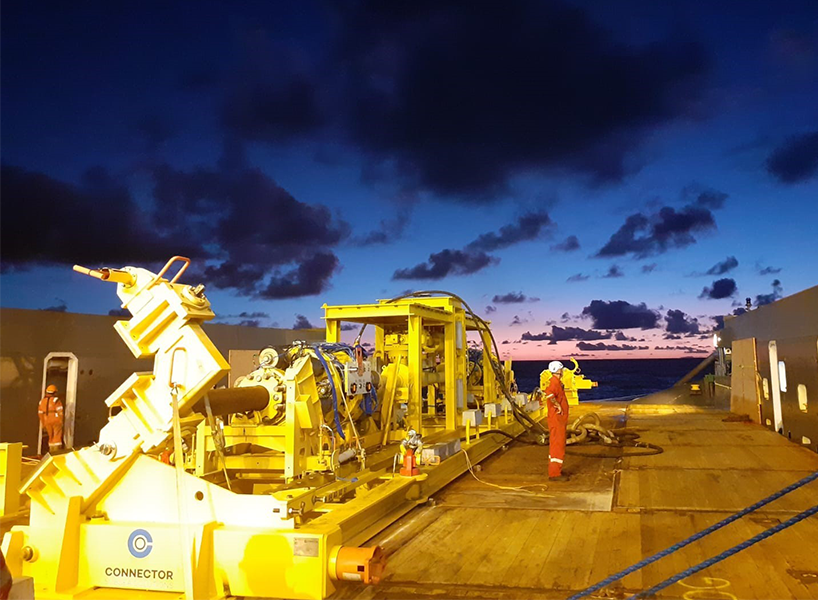
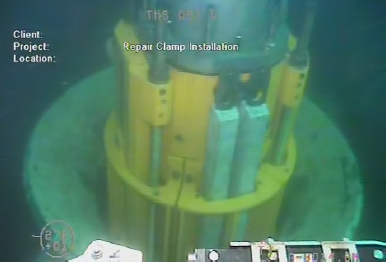
01 // CSS PLHF overboarding.
AN AMERICAN GULF OF MEXICO OPERATOR NEEDED A FAST, DIVERLESS WAY TO LIFT A HEAVY, THICK-WALLED
PIPELINE AND PLACE SLEEPERS TO EXTEND ASSET LIFE. USING CONNECTOR SUBSEA SOLUTIONS’ (CSS) PIPELINE
LIFTING AND HANDLING FRAME (PLHF) WITH MUD MATS AND FULL ROV CONTROL, WE DELIVERED A SAFE,
CONTROLLED, DAMAGE-FREE LIFT AND AN EFFICIENT SUBSEA CAMPAIGN.
Project Background
Assessment showed sections of the pipeline needed extra
support at multiple locations along its length to manage longterm
loading and seabed interaction. CSS proposed deploying
a PLHF from its rental fleet to lift the pipe clear of the seabed,
create working clearance, and set sleepers at planned locations.
Mud mats, also supplied by CSS, spread the load and provided a
firm base on very soft ground. CSS also deployed field engineers
to maintain 24- hour coverage, keep equipment in a deploymentready
state, and contribute to the working methods and on-site
decision making throughout the campaign.
Project Goals and Deliverables
- Lift the pipeline safely from the seabed and in a controlled
manner - Engage and raise buried pipeline sections by gripping
beneath seabed cover - Install sleepers at multiple sites to support life extension
- Protect pipe coating and preserve seabed stability
- Execute with ROV intervention and with minimal vessels
deployed to carry out the work scope, in order to reduce
costs.
Technical Challenges and Requirements
- Heavy, thick-walled pipe: 12.75″ OD × 1.885″ WT; lifts upto
25 tonnes with significant lift height required - Soft, uneven seabed: Larger mud mats were required for bearing;
asymmetric ground demanded independent leg control, and
grabbers capable of reaching the fully submerged pipeline
and subsequently lifting it by a total of 2 m. - Residual tension and lateral movement: Pipeline tended
to shift as it was raised, meaning the lateral movement
feature of the tool was essential - Campaign efficiency: Minimise recoveries, redeployments
and vessel time; keep the operation fully ROV-operated
with movement from site-to-site while submerged

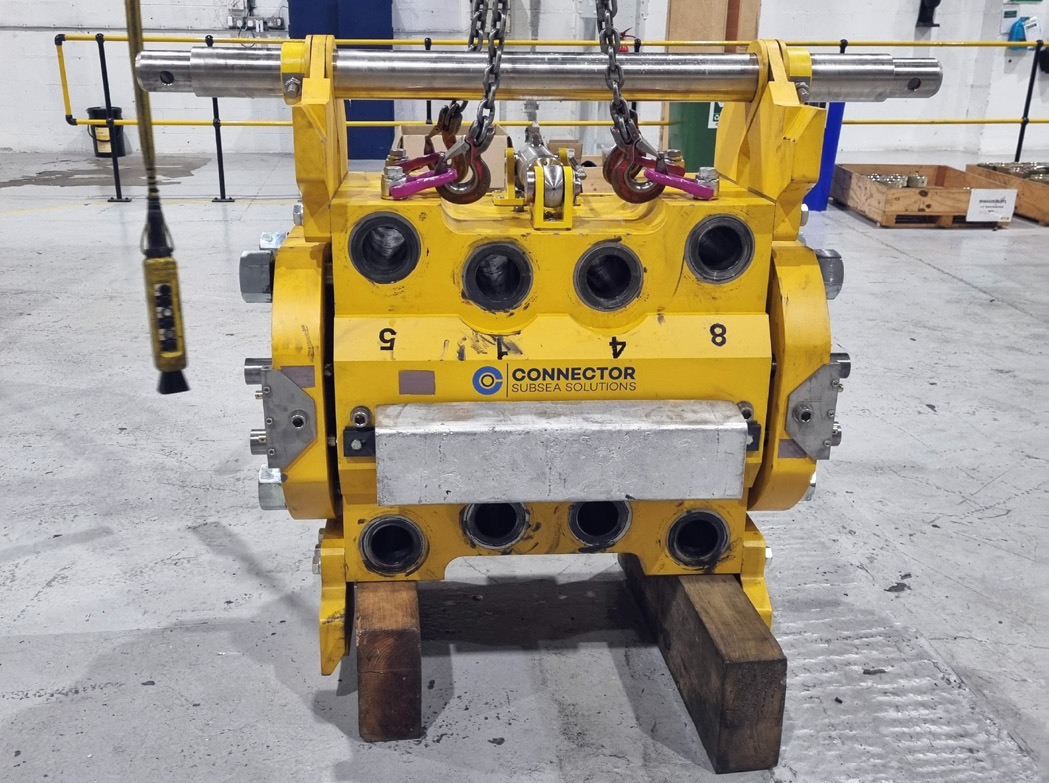
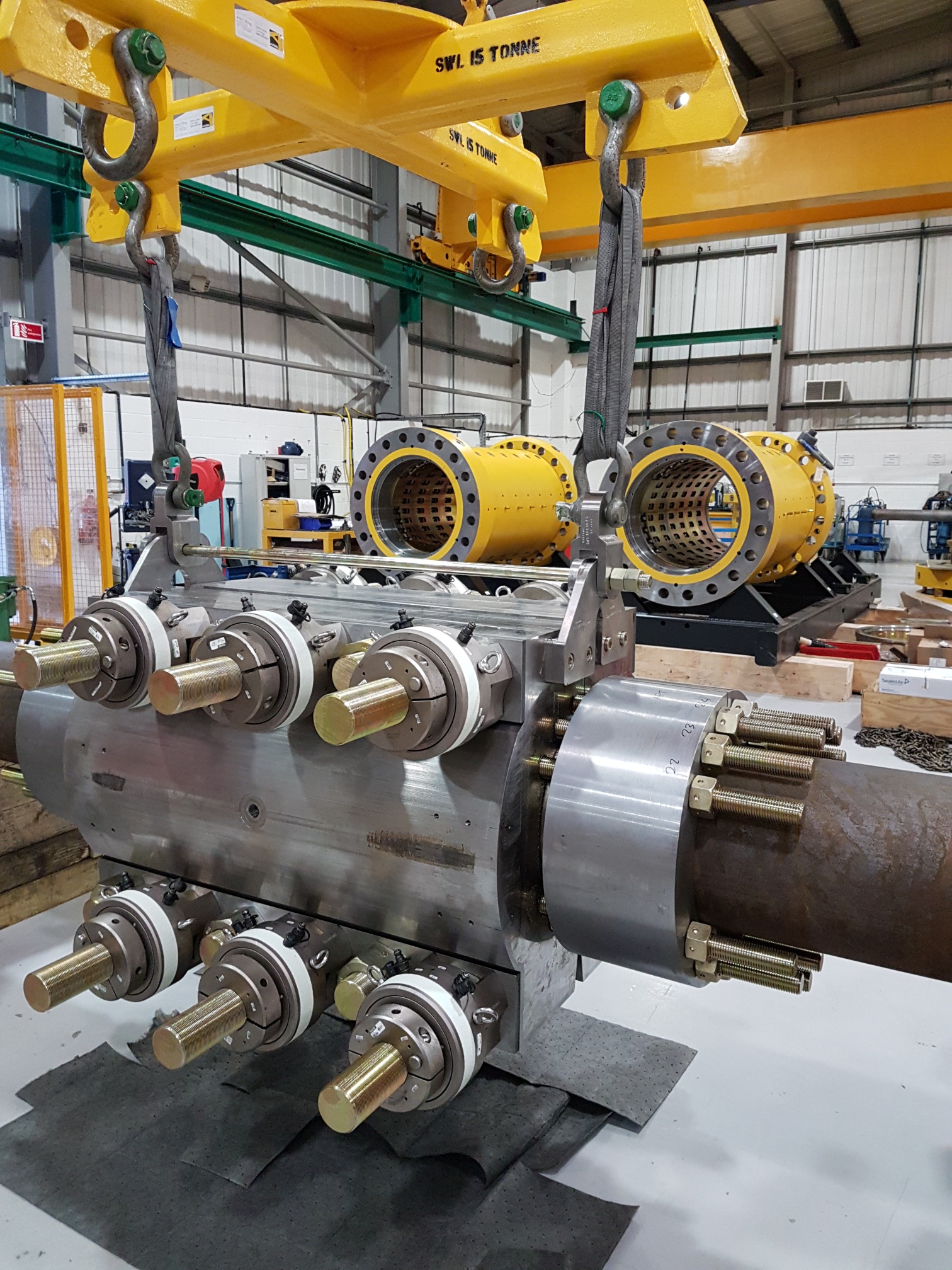
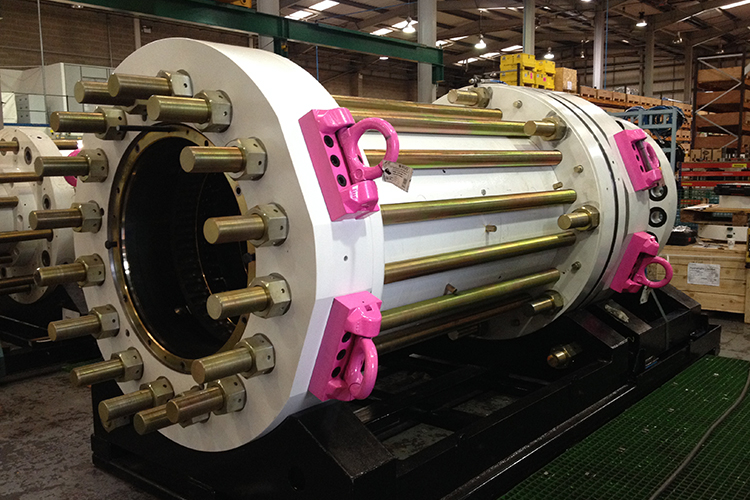
02 // CSS PLHFs and subsea mud mats unpacked and removed from
shipping containers.

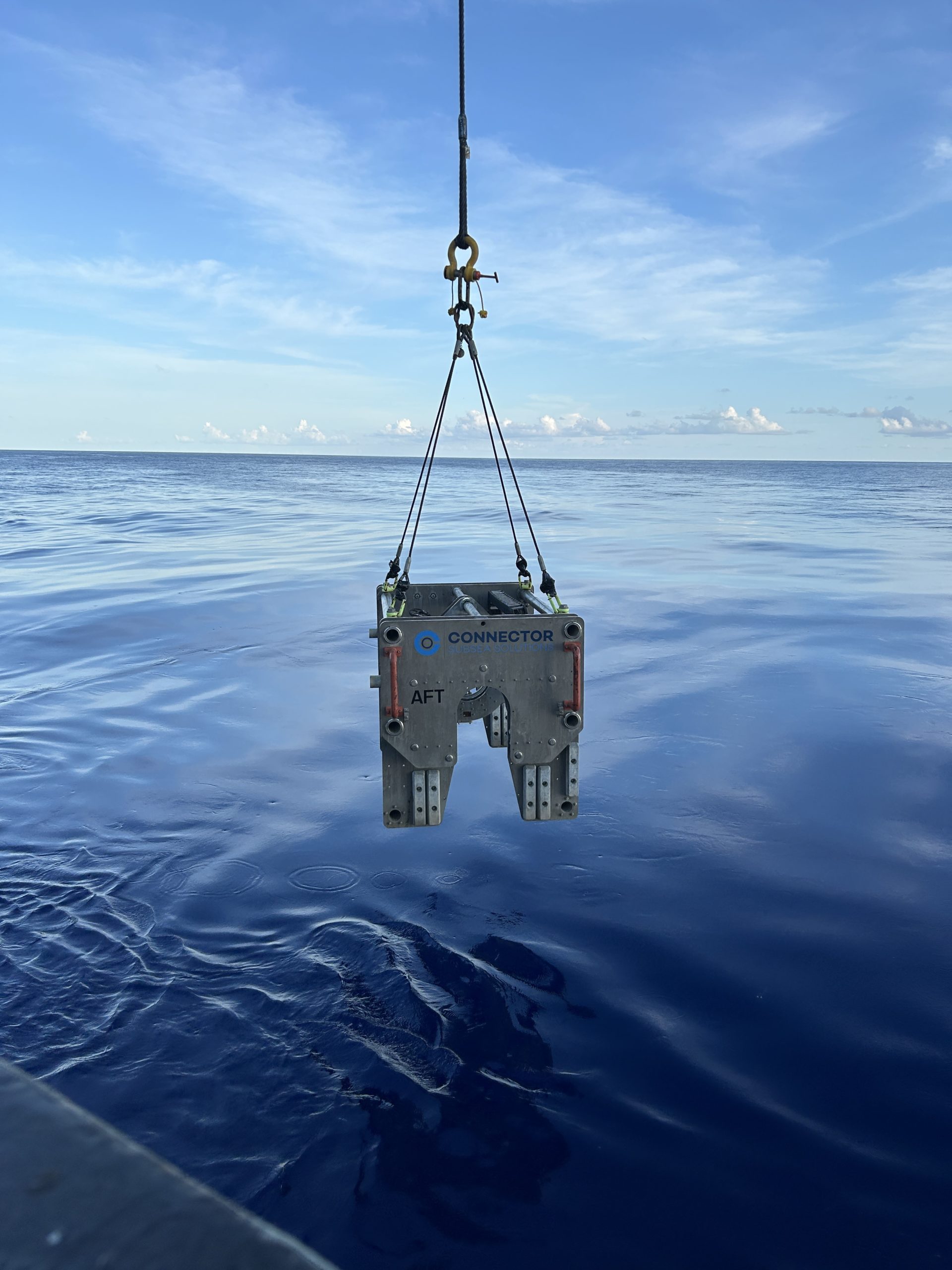
03 // CSS PLHF lifted for deployment.

04 // CSS mud mats successfully landing on the seabed.

05 // Pipeline lifted to full height ready for sleeper installation
Key Design Features
- PLHF controlled lift: Independently controlled legs with lateral movement to keep the pipe aligned throughout the lift
- Mud-mat foundations: Increased bearing area to prevent sinkage and maintain lift stability under load
- ROV-operated system: Clear interfaces for tooling control and monitoring; no requirement for divers
- Compact spread: Tooling ran from the main construction vessel; feeder vessels supplied extra sleepers where needed. In total, 21 sleepers were installed across the campaign
- Subsea relocation: Sleepers and mud mats repositioned together between sites without recovery, saving time and reducing vessel moves
Project Execution and Outcome
SIT checks were conducted prior to deployment. Lateral correction was used where residual tension pushed the pipeline off-centre. The frame was then moved to the next site, with sleepers and mats relocated subsea to maintain continuity. Twenty-one sleepers were installed within the wider programme. Lifts remained stable and the coating was undamaged. The seabed remained firm under the mats, and vessel time was used efficiently. The pipeline returned to full operating capacity, with improved support in the critical locations.
Lessons Learned and Future Outlook
- Minimal vessel spread reduces cost and complexity
- Planned subsea relocation of tooling and sleepers reduces idle time and vessel moves
- Flexible across seabed types, with tooling suited to both hard and soft ground
- Rental, ROV-operated lift system with experienced technicians offers a repeatable approach for IRM and life extension scopes